Marine Life
Spinner Dolphin
Stenella longirostris
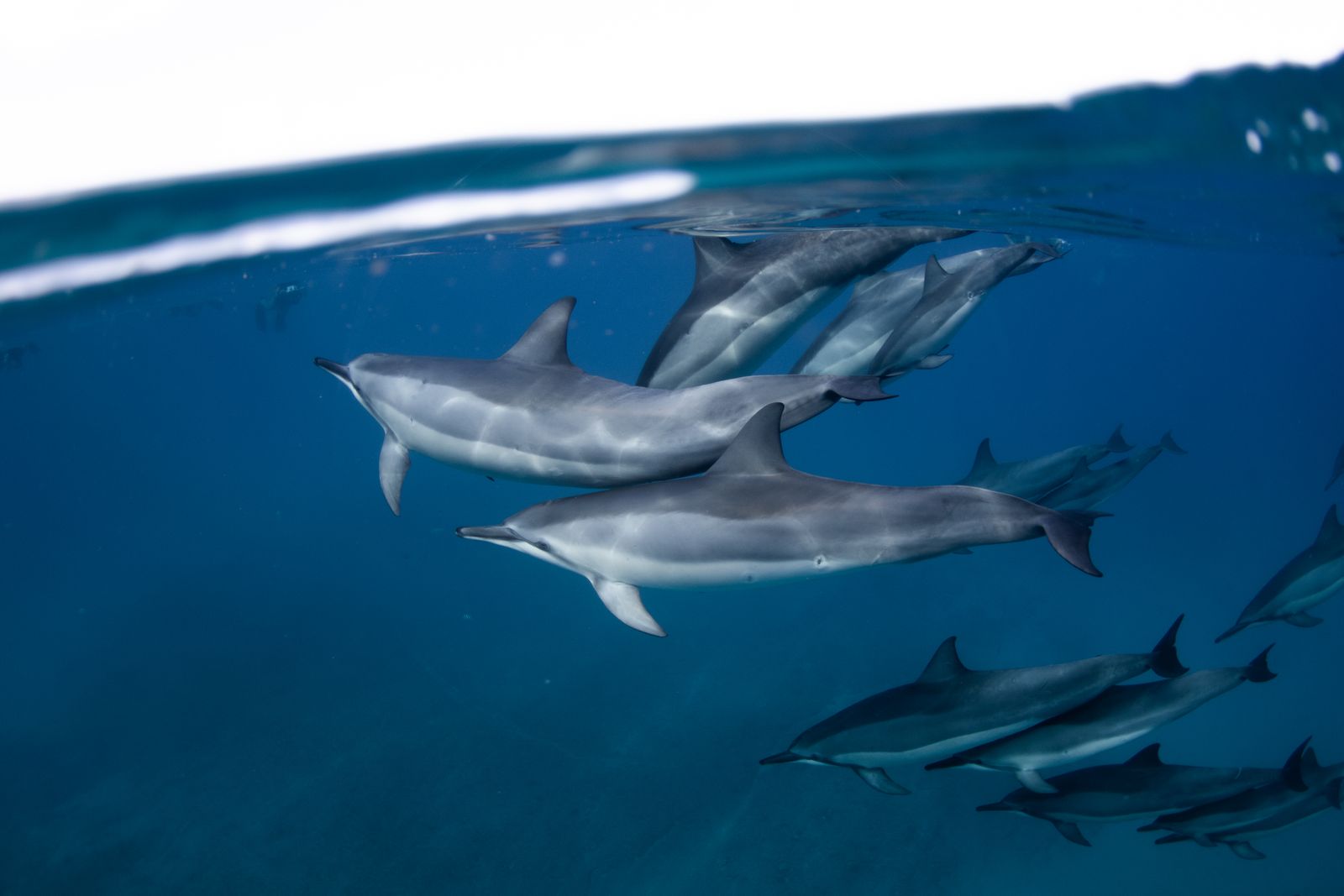
Wild spinner dolphins are the signature dolphin of Marsa Alam. At Sha’ab Samadai they use the sheltered lagoon as a daytime resting and socialising area after feeding offshore at night.
Quick Facts
Spinner Dolphin
Scientific Name
Stenella longirostris
Family
Delphinidae
Maximum Size
Up to approximately 2.1 m
Diet
Small fish and squid
Habitat
Tropical and subtropical offshore waters; sheltered reefs and lagoons used for daytime resting
Conservation Status
Least Concern (IUCN Red List)
What is a Spinner Dolphin?
The Spinner Dolphin (Stenella longirostris) is a small, slender dolphin known for the spinning leaps it makes above the surface. In the Marsa Alam area, spinner dolphins are the signature species of Sha’ab Samadai (Dolphin House), where they use the sheltered lagoon as a daytime resting and socialising area. They feed offshore at night and return to the lagoon to rest during the day. The number of dolphins present varies naturally, and an encounter is never guaranteed.
Where in the World?
Spinner dolphins occur in tropical and subtropical offshore waters around the world. They are associated with both oceanic environments and sheltered reef areas used for daytime resting. The Red Sea population is well-documented at sites like Sha’ab Samadai.
Spinner Dolphins in Marsa Alam
Sha’ab Samadai (Dolphin House) is the principal Marsa Alam site for spinner dolphin encounters. The sheltered lagoon is used as a daytime resting area. Sataya Reef, farther south and reached from the Hamata area, is another major spinner-dolphin destination. The dolphins are wild — their presence varies naturally, and an encounter is never guaranteed. A specific number of dolphins cannot be promised.
Where to See Spinner Dolphins in Marsa Alam
Underwater Behaviour
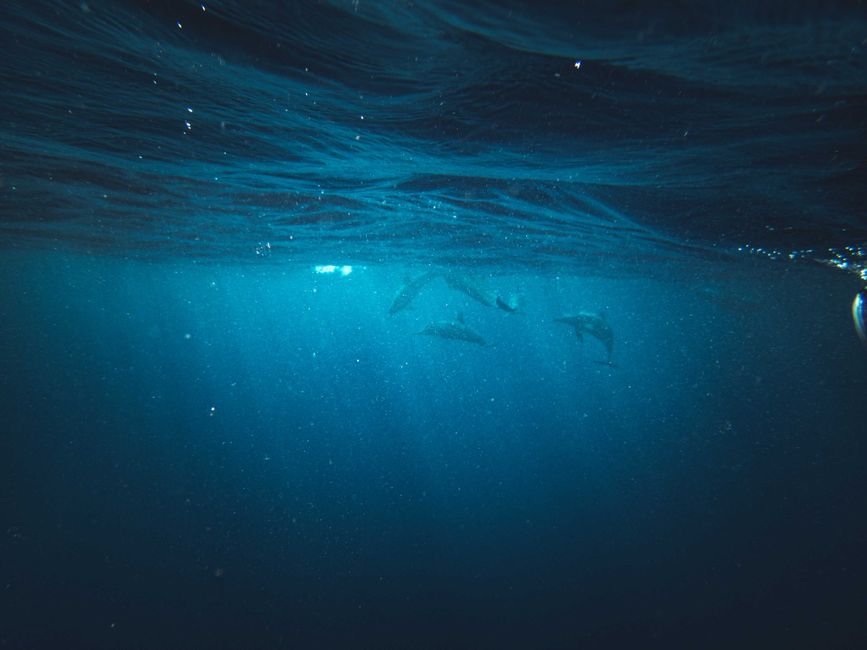
Spinner dolphins at Sha’ab Samadai use the lagoon as a daytime resting area. They may be seen resting, socialising, or swimming slowly in the shallow water. They are wild animals and their behaviour is natural. They may approach snorkelers out of curiosity, but snorkelers should never swim toward, chase, surround or touch them. Let the dolphins choose the distance.
How to Spot a Spinner Dolphin
At Sha’ab Samadai, enter the designated snorkelling zone and scan the lagoon. Spinner dolphins may be resting in the shallow water, often visible from the surface. Look for movement and dorsal fins in the calm water. Follow your guide’s instructions and remain outside restricted zones. Be patient — the dolphins are wild and may or may not be present.
Did You Know?
- 1
Spinner dolphins are named for their characteristic spinning leaps above the surface, where they rotate multiple times along their longitudinal axis.
- 2
They feed offshore at night and return to sheltered lagoons to rest during the day.
- 3
Sha’ab Samadai (Dolphin House) is a regulated site with designated zones to protect the resting dolphins.
- 4
The number of dolphins present at Samadai varies naturally, and a specific number cannot be promised.
Photographing Spinner Dolphins
Snorkel-based photography in the lagoon is the standard approach. Use natural light and keep distance. Never chase or pursue a dolphin for a photograph. No flash photography. The best images come from patient observation and letting the dolphins choose the distance.
When to See Spinner Dolphins in Marsa Alam
Spinner dolphins can be encountered year-round at Sha’ab Samadai. The lagoon is used as a daytime resting area regardless of season. However, dolphin presence and numbers vary naturally with the animals’ movements, feeding activity and sea conditions. A sighting is never guaranteed.
Respect the Encounter
Never chase, surround, touch or deliberately approach dolphins. At protected resting areas, remain outside restricted zones and follow the guide’s instructions. Let dolphins choose the distance. Keep groups calm and avoid unnecessary noise. No flash photography. The objective is observation, not interaction on human terms.
Conservation
The Spinner Dolphin is classified as Least Concern on the IUCN Red List, but local populations depend on the protection of resting habitats like Sha’ab Samadai. The site is regulated to minimise disturbance: restricted zones, limited boat access and designated snorkelling areas. Responsible observation matters — never chasing, surrounding or touching the dolphins contributes to their long-term coexistence with tourism.
Spinner Dolphins & Underwater Encounters
You enter the lagoon at Sha’ab Samadai and the water is calm, shallow and clear. You are not looking for a shark in the blue — you are looking for a dolphin in a lagoon. And then you see them: a group of spinner dolphins, resting in the shallow water, moving slowly, occasionally surfacing to breathe. They are not performing. They are resting. The encounter is quiet, calm and entirely on the dolphins’ terms. If you are still and patient, they may come closer. If they do not, you have still been a guest in their resting place.
Wildlife encounters can never be guaranteed. These are wild animals in their natural habitat.
Frequently Asked Questions
Where can I see spinner dolphins in Marsa Alam?
The principal site is Sha’ab Samadai (Dolphin House), where wild spinner dolphins use the sheltered lagoon as a daytime resting area. Sataya Reef, farther south and reached from the Hamata area, is another major destination. A sighting is never guaranteed.
Are spinner dolphin encounters guaranteed?
No. Spinner dolphins are wild animals. Their presence at Sha’ab Samadai varies naturally with their movements, feeding activity and sea conditions. A specific number of dolphins cannot be promised. Responsible operators never guarantee an encounter.
Can I dive with spinner dolphins?
Encounters at Sha’ab Samadai are primarily snorkel-based. The designated zone is managed to protect the resting dolphins. Snorkelling is the standard way to observe them. Follow your guide’s instructions and respect the restricted zones.
How should I behave around spinner dolphins?
Never chase, surround, touch or deliberately approach the dolphins. Let them choose the distance. Keep groups calm and avoid unnecessary noise. No flash photography. The objective is observation, not interaction on human terms.